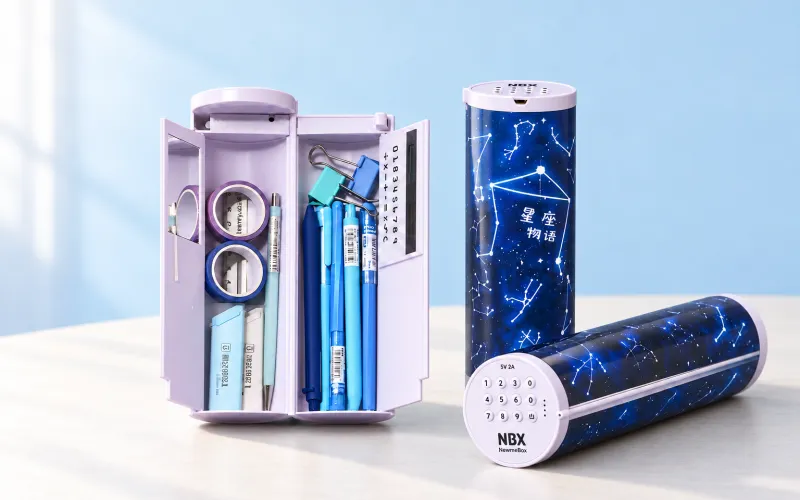
When sourcing stationery for resale, checking samples is an important step before ordering in bulk. It helps you understand the products and resolve quality, function, or packaging issues with the supplier early. This can reduce problems that affect sales and customer satisfaction later.
We hope this stationery sample checklist offers useful tips for reviewing samples and deciding whether they meet your needs.
Check Product Specifications
Compare the sample with the supplier’s product description and your purchasing requirements. Confirm the basic specifications before inspecting workmanship and testing performance.
Model: Check that the product code matches the item you intend to order.
Dimensions: Measure the external size and any internal dimensions relevant to your needs.
Materials: Review the supplier’s material specifications and ask for clarification if any details are missing.
Components and accessories: Confirm that the sample includes the parts and accessories listed in the product description.
Record any differences and ask the supplier to clarify them before placing an order.
Test Product Function and Ease of Use
Test each sample under conditions that reflect everyday use. Check whether its features work properly and whether customers can use it comfortably. Use the same test conditions when comparing samples.
Writing Tools
Function
Write lines and a short paragraph on common paper types. Inspect for missed strokes, ink smudges, and irregular lines.
If drying time matters, check for smudging after a recorded interval. And also pay attention to the type of paper used.
Operate caps, retractable mechanisms, or lead feeds repeatedly. Check for sticking, looseness, or parts that fail to stay in position.
For refillable products, fit the specified refill or lead and check that the tool works correctly afterward.
Ease of Use
Write for several minutes to assess grip comfort and control. Check whether the clip, barrel shape, or other features interfere with your grip. Confirm that users can remove the cap, operate the mechanism, and replace refills without unnecessary difficulty.
Keep the writing sheets and test notes for supplier feedback.
Pencil Cases and Bags
Function
Fill the sample with the stationery your customers are likely to carry.
Check that the lid or zipper closes without forcing or compressing the contents.
Check magnetic, snap-button, hinged, or zipper closures as you pack the case.
- Carry the closed case in a bag, then check whether dividers and pockets keep items in place.
Ease of Use
Check whether users can find and remove individual items without emptying the case. Include longer pencils, thicker highlighters, or a ruler where relevant. Assess whether the compartments suit the intended assortment and make small accessories easy to reach.
When comparing pencil cases and bags, use the same items in each sample. Record their sizes and quantities so capacity comparisons remain meaningful.
Desktop Storage
Function
Place the organizer on a level surface and fill it with the intended stationery.
- Inspect for wobbling, shifting, or tipping during regular use.
- Evaluate drawers and rotating components when empty and when loaded. Check for sticking or interference between parts.
- For stacking or hanging designs, follow the supplier’s assembly instructions and check that connections remain secure during use. Observe any stated load limits.
Ease of Use
Check whether the compartments make frequently used items easy to see and reach. Confirm that the drawers open far enough for easy access. Make sure you can remove an item without holding the organizer in place. Assess whether the product leaves enough room for writing and other desk tasks.
Record the test conditions and any problems you find. These checks help assess everyday function and usability, but they do not establish long-term durability.
Check Product and Set Packaging
Review the packaging supplied with the sample. Confirm with the supplier that bulk orders use the same packaging. Next, evaluate its condition, dimensions, and fit for your selling requirements.
Individual Products
Check whether the packaging fits and protects the product.
Packaging condition: Look for tears, dents, loose seals, or damaged inserts.
Packaging size: Check for excessive empty space or a fit that presses against the product. Make sure you can remove and replace the item without forcing it.
Product protection: Check that inserts hold the product in place and protect exposed corners or delicate parts.
Product information: Confirm that labels match the product model, color, and quantity.
Display and storage: Measure the packaged item to confirm that it fits your shelves, display hooks, or storage space.
Packaging efficiency: Check whether the packaging uses more space or material than the product needs. For online sales, oversized packaging may increase shipping costs. Ask the supplier whether a smaller package can still protect the product adequately.
Stationery Sets
Compare the set contents with the supplier’s product description or contents list. Confirm the quantity, color, and size of each item.
Then check how the packaging holds the complete set:
Each item fits its designated space.
Inserts or compartments keep components from shifting or rubbing against each other.
The package closes properly with all items inside.
Customers can remove the items without damaging them or the packaging.
The label or contents list accurately describes what the set includes.
For example, a pen and ruler should each fit securely in their assigned positions without pressing against the lid.
Bulk Shipping Packaging
The box used to send a sample may differ from the cartons used for bulk orders. Ask the supplier to confirm the number of units per carton, carton dimensions, and internal protection.
If you sell online, also check whether the retail packaging needs an additional shipping box or protective material. A visual packaging inspection can reveal obvious problems, but it cannot confirm how the package will perform throughout delivery.
Decide Whether the Sample Is Ready for Approval
Review your findings and the supplier’s responses to decide whether you can accept the sample.
| Decision | When to choose it | What to record |
|---|
| Approve the sample | The sample meets your requirements, and you have resolved all important questions. | Product model, confirmed specifications, packaging details, and any differences you accept. |
| Keep approval pending | You need more information or a replacement sample to complete your assessment. | Outstanding questions and checks you still need to complete. |
| Reject the sample | The sample fails to meet an essential quality or usability requirement. | The reasons you cannot accept it. |
Before confirming sample approval, review this final stationery sample checklist:
Have I checked the product specifications against my requirements?
Have I inspected workmanship and tested function and ease of use?
Have I inspected the packaging and confirmed the set is complete?
Have I resolved important issues and recorded any differences I accept?
Have I saved the evaluation notes and supporting photos?
Confirm your decision in writing. Include the product model, sample reference, approval date, and the specifications and packaging you reviewed. Keep the accepted sample as a reference for future quality checks.